ISSUE 25: TECTONICS
Elemental forces are constantly revealing the sensuous reality of the massive, vibrational bodies we take for granted in our everyday lives.
Just over a year ago, around 5 a.m. Pacific Time, I jolted awake.
At first I thought a vehicle had veered off the nearby street and plowed into the foundation of my ground-floor apartment, but the dishes in the kitchen cabinets kept rattling.
For the next ten minutes I pawed impotently at my phone, and then my suspicions were confirmed.
News outlets were reporting a 4.5-magnitude earthquake (eventually updated to a 4.1) had struck near Washington’s Orcas Island, roughly 42 km east of Sidney, BC.
When I moved to my current home in so-called Victoria, BC, friends and family warned me about the Cascadia Subduction Zone. The meeting point of two major tectonic plates, the city is just a short distance from the geological fault line, and it’s a hot-zone for seismic activity.
Here on the raw, highly sensitized contours of the Pacific Northwest, elemental forces are constantly revealing the sensuous reality of the massive, vibrational bodies we take for granted in our everyday lives. They are themselves contributing to a cumulative, economical array of pressures and vulnerabilities acting upon them at any given moment — uneven reminders that, in spite of our efforts to cut terrain and smoothen the landscape, the tectonic plates we reside on persist as embodied forces that refuse domestication. The earth ruptures and shifts in response to incalculable intensity; in music, pressures and tensions reveal themselves in unexpected harmonies and sounds that resonate with human experience in ways that can be familiar or unsettling.
We are on shaky ground, and that poses risks and opportunities. In this issue, we’ve explored the cracks and jolts beneath our feet, and what they reveal about how we create, relate, and heal.
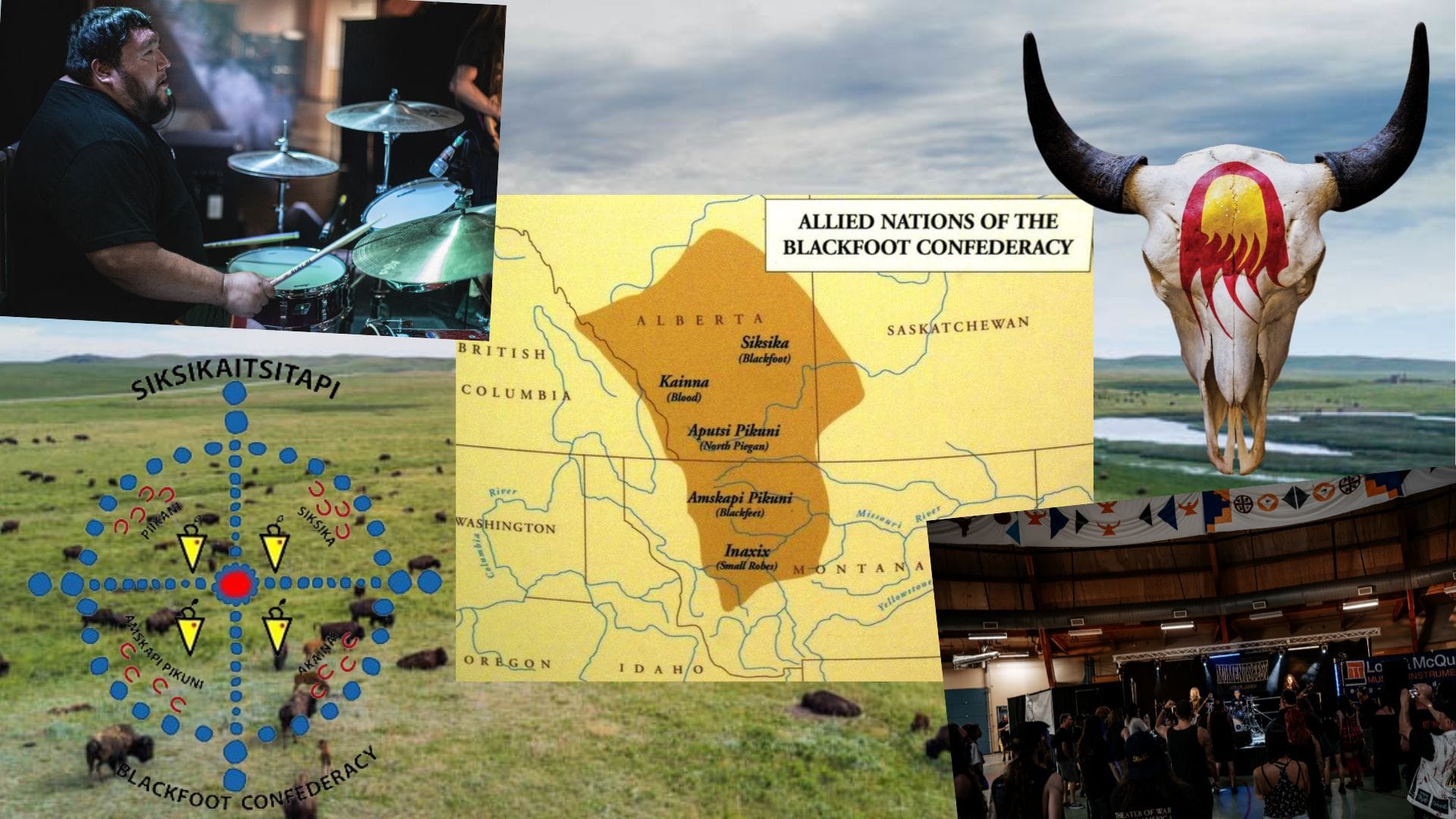
Plate tectonics cannot be confined by colonial state boundaries, and neither can our relations. Making his New Feeling debut, Reid Blakley writes about the way two Blackfoot Confederacy tribes on opposite sides of the Canada-US border in colonial Alberta and Montana have used heavy music as an outlet for community healing.
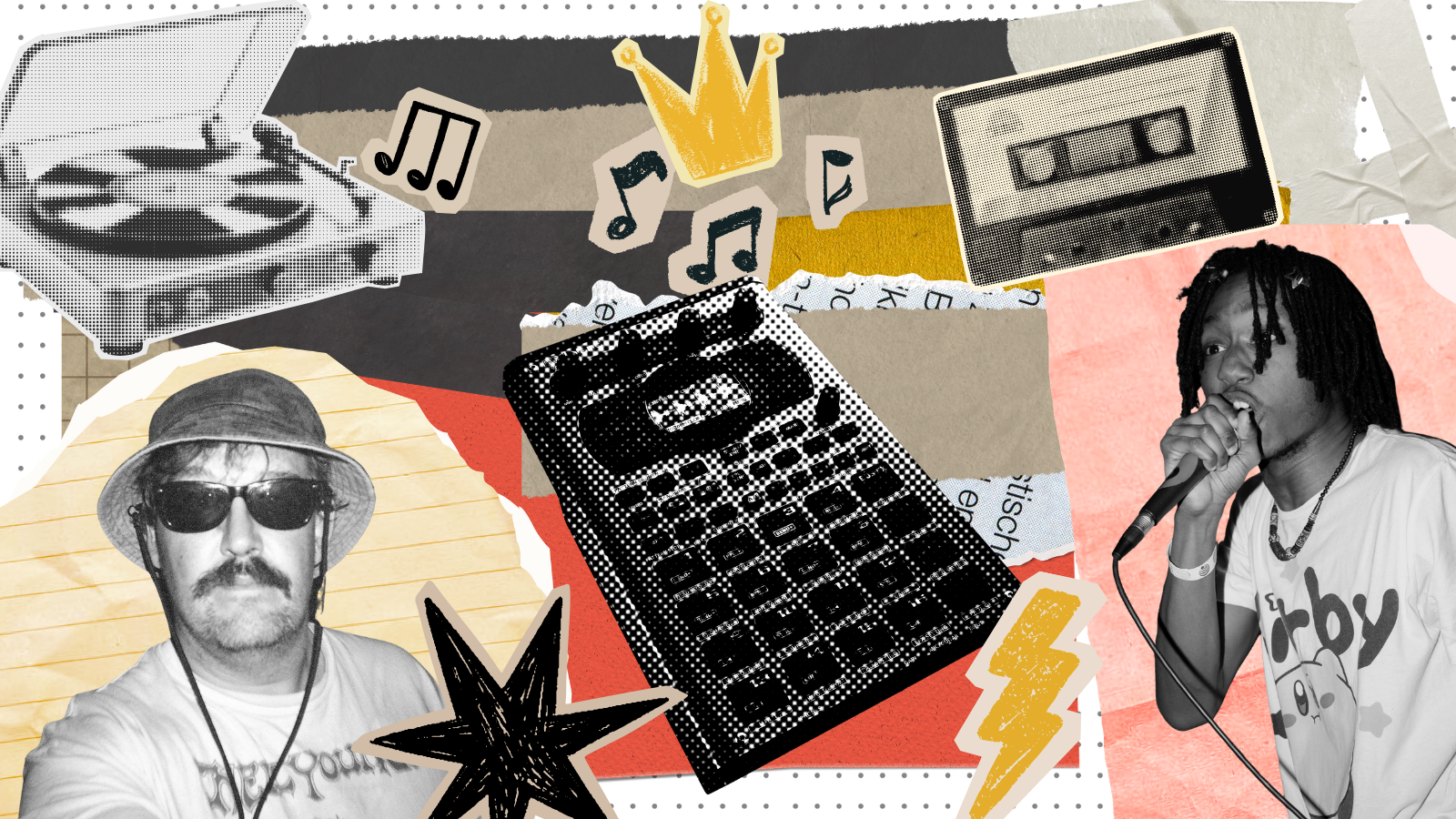
Speaking with experimental hip hop producer bridge of sand. and electronic musician Parker Thiessen, Michael Rancic unpacks how the reward structure of the attention economy encourages a context-decimating cultural flattening while disenfranchising the labour of building tracks from distinct materials, histories, and communities.
In another experimental piece that builds on the collage work from Michael’s sampling story, Tia Julien reflects on how technology, capitalism, and cultural change are ushering in a new paradigm that demands a counter-response forged through grit, bravery, and felt experience.
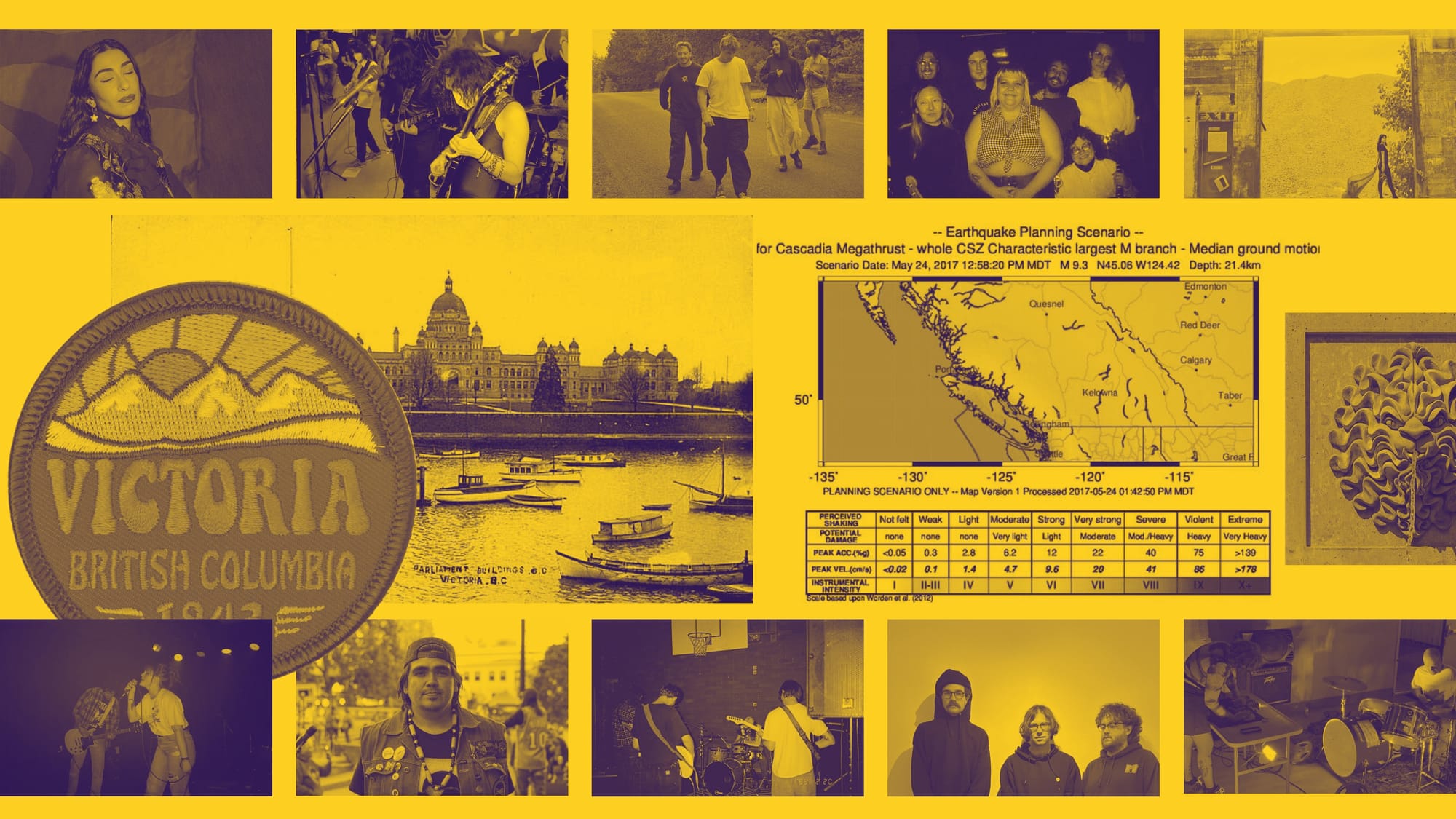
Our recurring Yes In My Backyard feature returns with a survey of the scene in Victoria, BC, and the issue is rounded out by a series of artist profiles from new contributors.
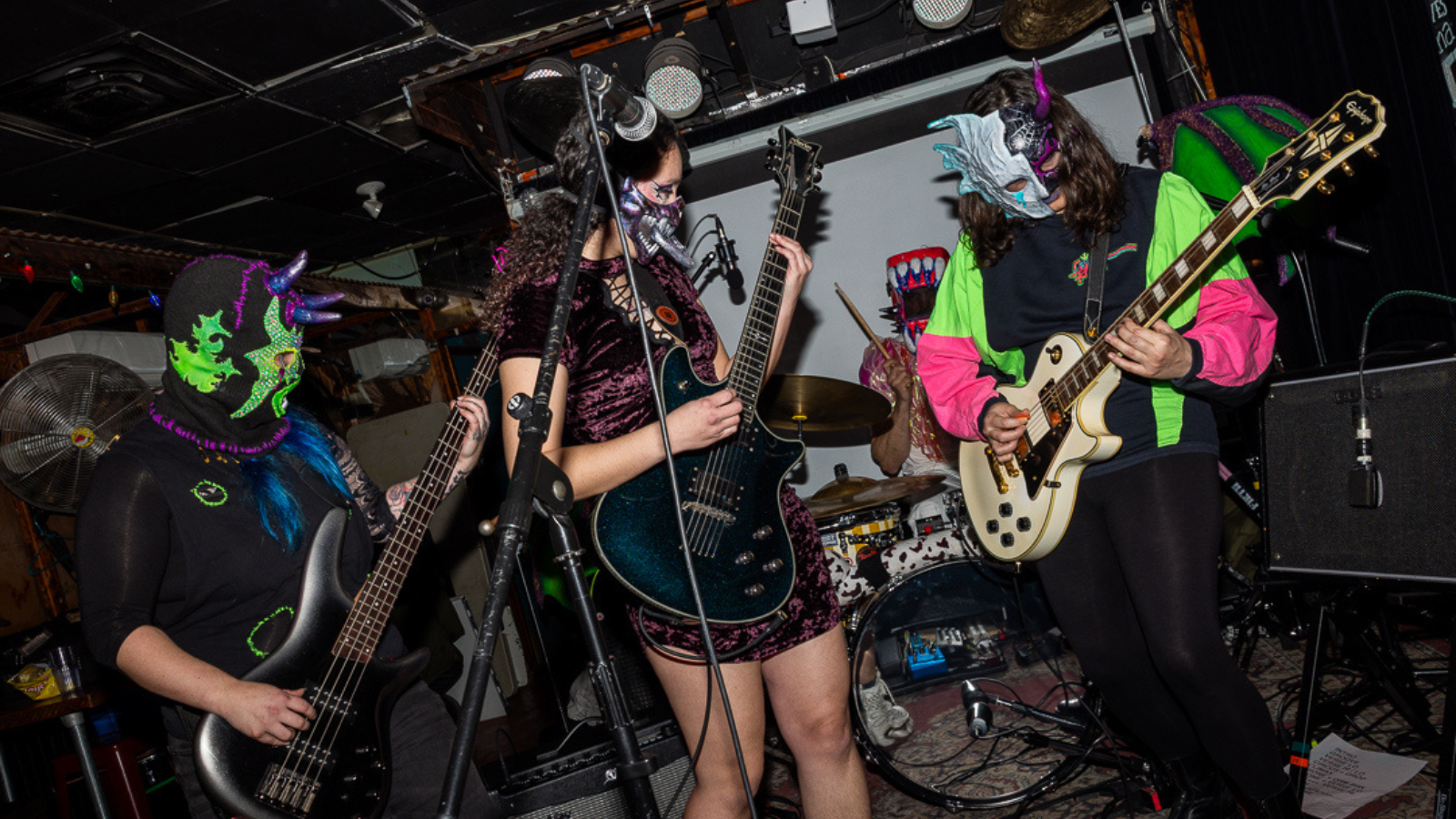
Adele Lukusa writes about Toronto-based metal monsters Monstrosa and how their creature costumes create a space for concertgoers to ease internal pressures and explore their own shifting identities.
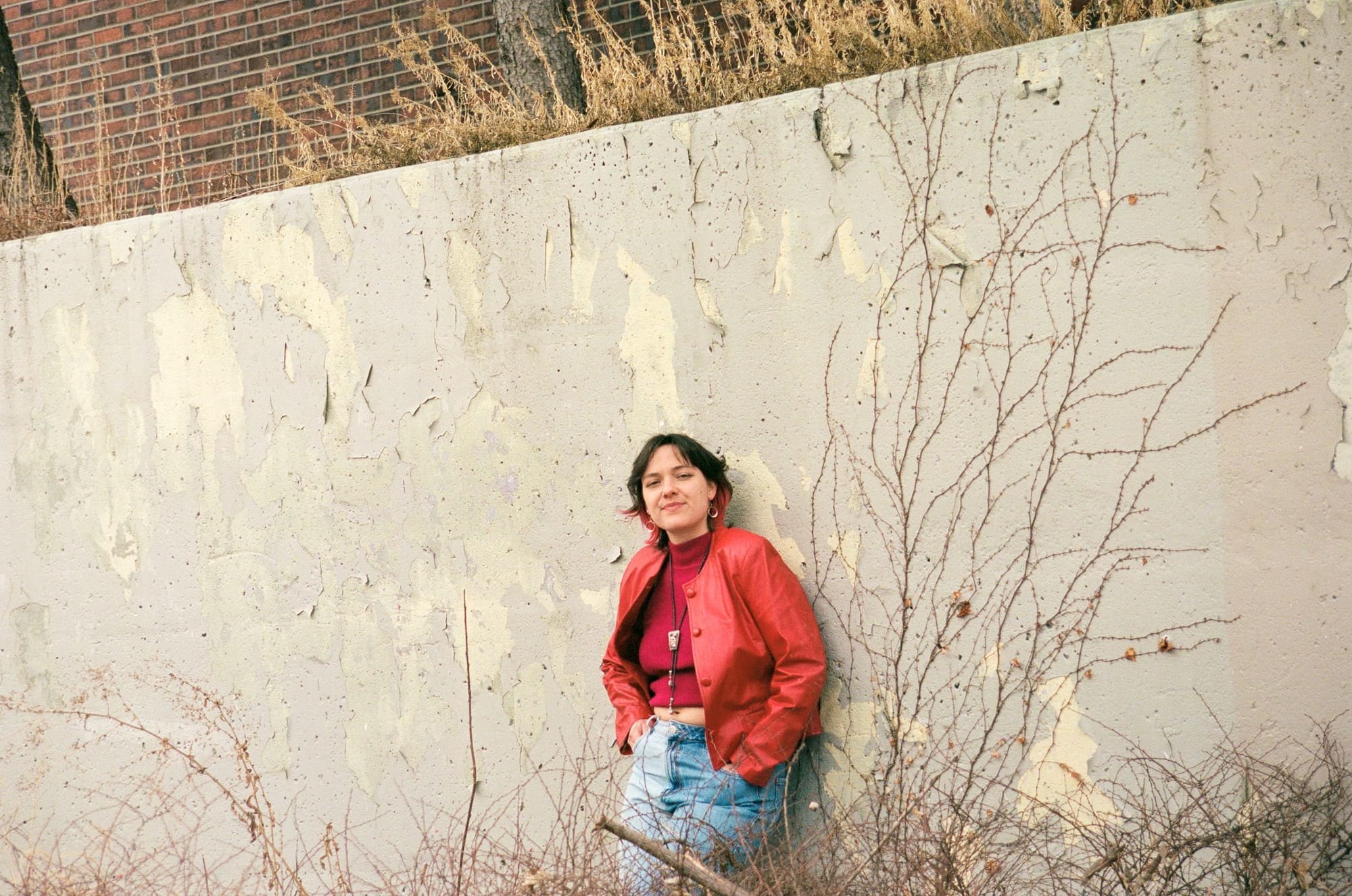
Lastly, Richie Assaly writes about Quebec singer-songwriter Arielle Soucy, whose sophomore record Passages straddles the geographic and temporal foundations of her upbringing in rural Brébeuf and her current home in Montreal — all while exploring the emotional territory of grief over her father’s recent death and her own spiritual discovery.
Whether cultural, personal, social, or geographic, tectonic shifts shape our relationships with the world, the sounds we make, and the connections we hold dear.
We’ve got our ears to the ground.
— Tom Beedham
Editorial: Daniel G. Wilson, Tabassum Siddiqui (public editor), Michael Rancic, Rebecca Judd, Leslie Ken Chu, Sarah Chodos, Tom Beedham (features editor)
Community: Daniel G. Wilson, Michael Rancic, Rosie Long Decter (lead), Rebecca Judd
Care: Tabassum Siddiqui (Public Editor), Sarah Chodos (lead), Tom Beedham
Organization: Michael Rancic, Leslie Ken Chu, Tom Beedham
Web: Laura Stanley (lead), Michael Rancic, Leslie Ken Chu