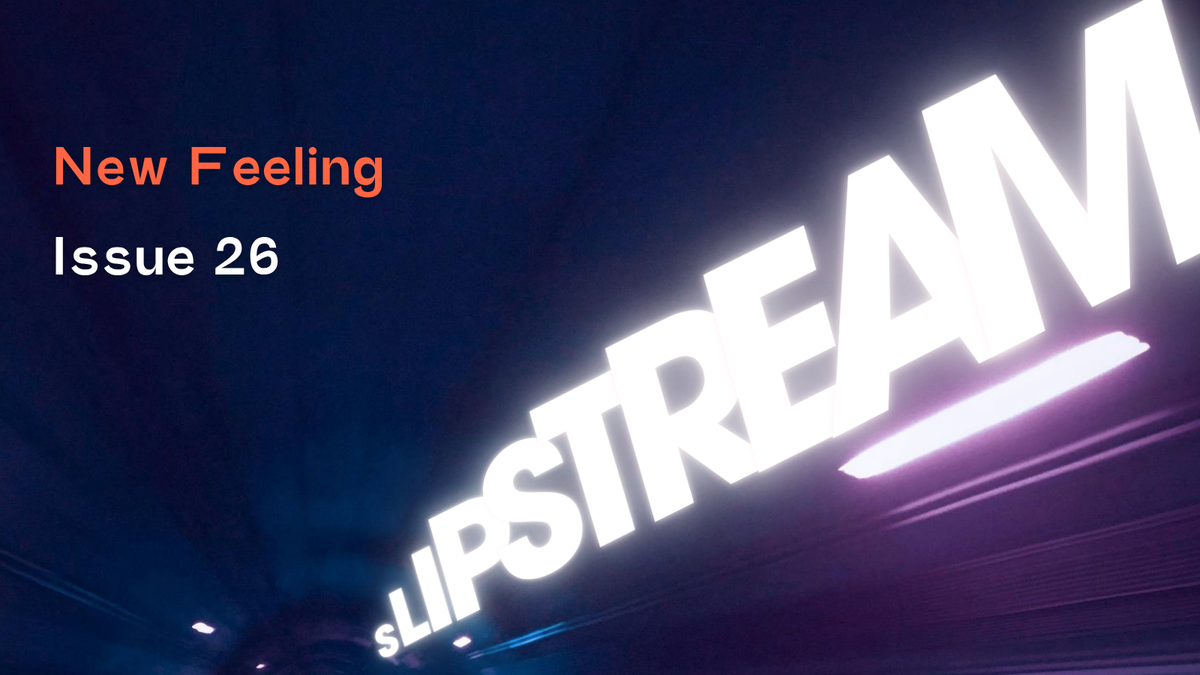
ISSUE 26: SLIPSTREAM
Slipstreams can be avenues of momentum through which artists, scenes, and collective initiatives can transcend their regular working conditions
A slipstream has no allegiances.
In aerodynamics, the term names the turbulent wake generated as an object displaces the air around it, allowing others to travel along the same path with less resistance.
In literature, the word took on new meaning in 1989 when cyberpunk author Bruce Sterling began using the term (which he attributed to his late friend Richard Dorsett) to describe an offshoot of speculative fiction that eludes formal confinement, combining elements of science fiction, fantasy, and literary fiction.
“[T]he two of us were discussing a category of non-genre fantasy books that we had no name for,” Sterling told speculative fiction webzine Mythaxis in a 2020 profile. “‘They're certainly not mainstream,’ I said, and ‘Why not slipstream?’ he suggested.”
We can think of the slipstream, then, as representing a space that is forged in the paths of larger moving forces. Slipstreams can be avenues of momentum through which artists, scenes, and collective initiatives can transcend their regular working conditions; simultaneously dependent on—and rupturing from—the mainstream, they are active sites of subversion, acceleration, and reinvention. But slipstreams can carry all kinds of winds, facilitating positive forward motion or becoming backdoors and unwitting shortcuts for uncanny malevolent forces to drift in and diffuse the common atmosphere.
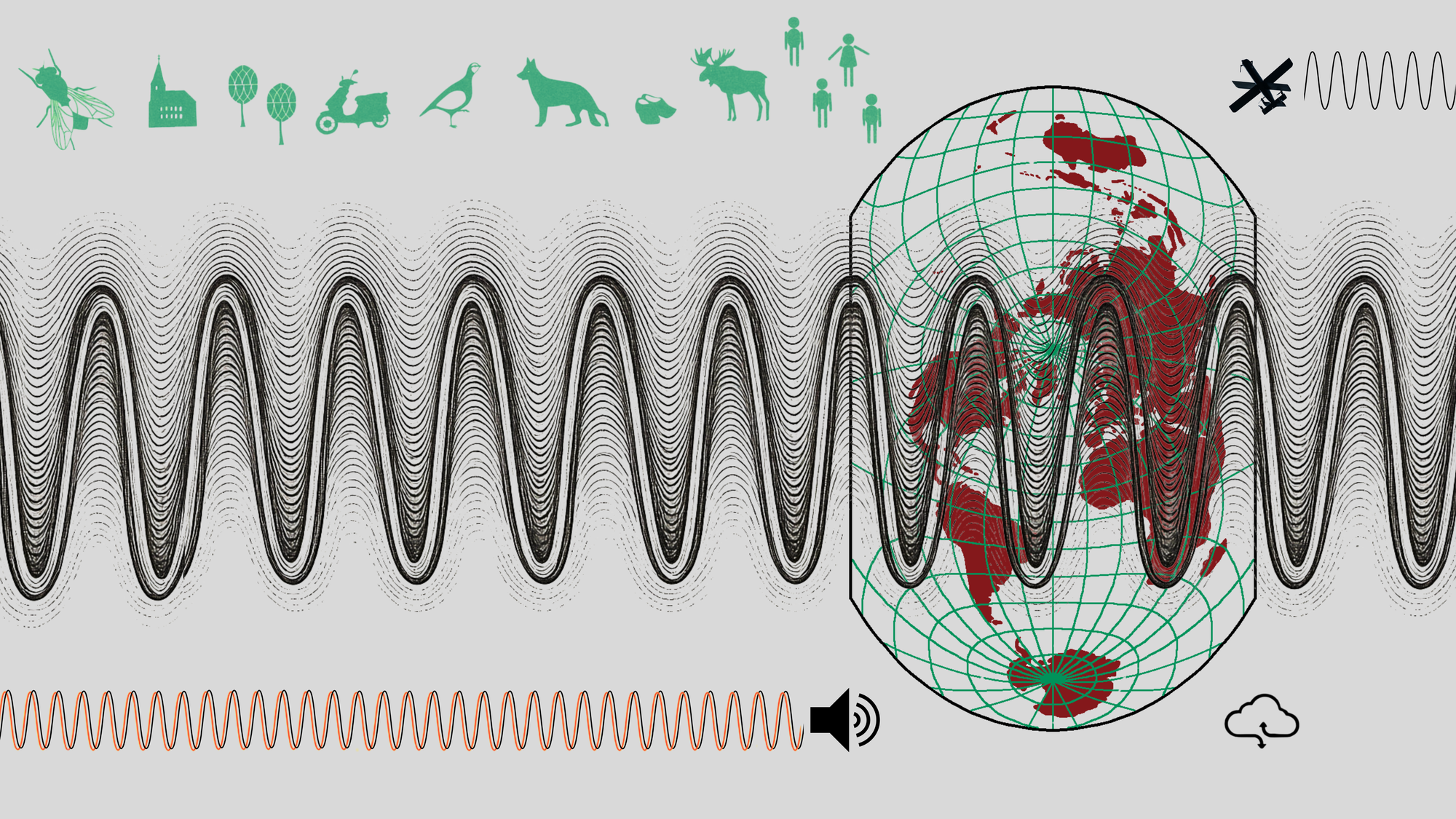
Zero Latency: On the Possibility of World Soundscapes beyond Spotifycore Sovereignty
DeForrest Brown, Jr
The centrepiece of this issue is “Zero Latency,” an essay from first-time New Feeling contributor DeForrest Brown, Jr., a self-described “ex-American” media theorist, journalist, curator, and musician also known for his Speaker Music project and his involvement in the Make Techno Black Again campaign. Since relocating to “Vancouver,” DeForrest has been captivated by composer and naturalist R. Murray Schafer’s theorization of the acoustic environment. Opening on Schafer’s work with the World Soundscape Project, DeForrest pulls back to examine how contemporary music culture is increasingly organized around frictionless consumption, behavioural prediction, and data extraction, going on to examine how the same infrastructures that underpin entertainment platforms like Spotify support emerging military AI systems alike.
Meanwhile, Rosie Long Decter checks in with organizers behind Musicians for Palestine Montreal about their compilation tape raising funds for the Sameer Project, a Palestinian-led mutual aid project providing essential goods and services to people in Gaza. They talk about the artists’ duties to interrupt unequal material relations and de-naturalize colonial occupation.
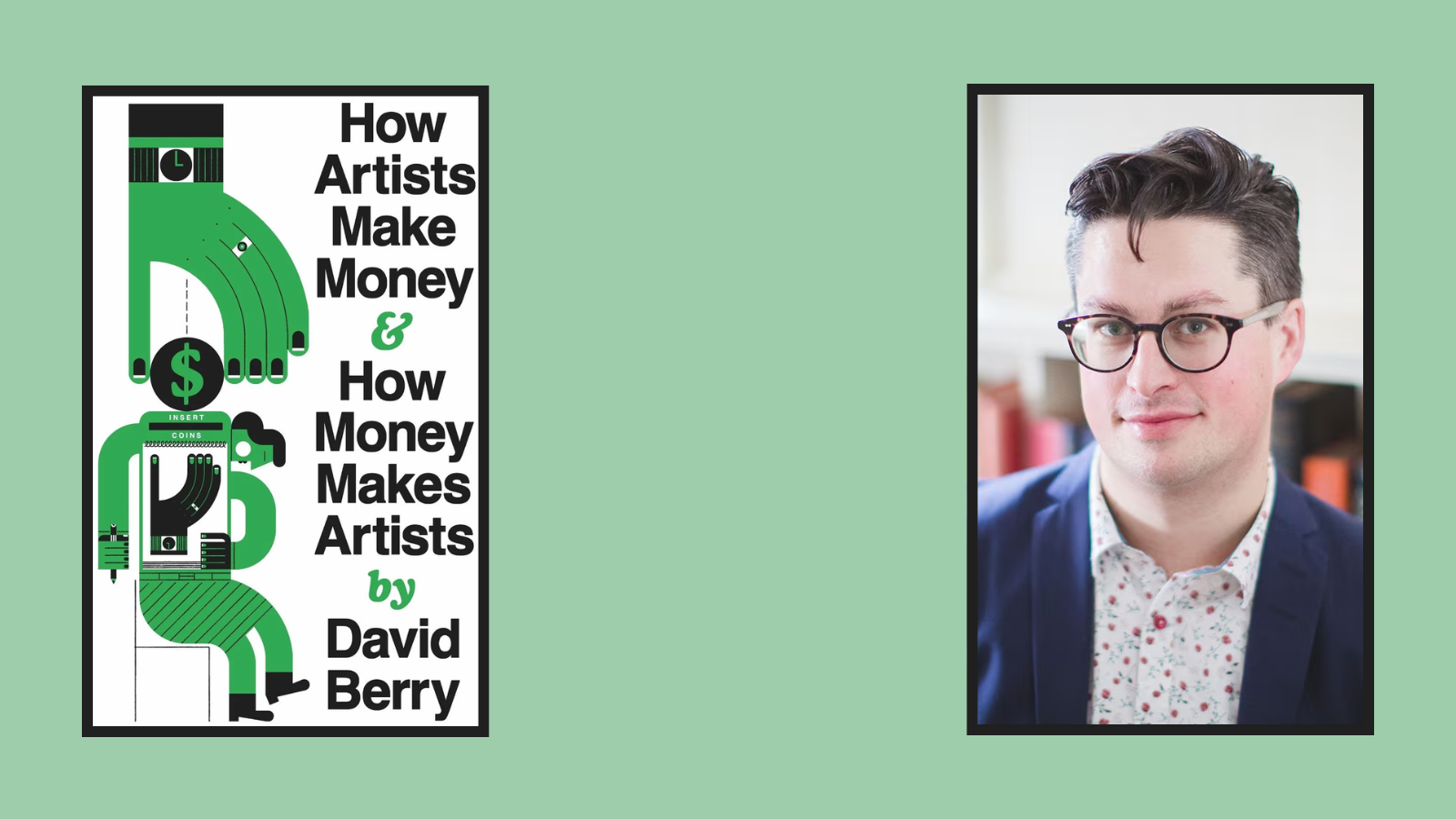
In an additional contribution to this issue, Rosie reviews David Berry’s 2025 book How Artists Make Money and How Money Makes Artists. Rosie argues that the book offers a sharp and historically grounded critique of how economic systems have always shaped artistic production, though suggests Berry's struggles with the market-centred definition of what constitutes an "artist" underestimates art's value as a relational and communal practice.

Elsewhere, Tia Julien conducts a Q&A with Palestinian-Canadian musician and sound therapist Jeena about neuroacoustic science, spirituality, approaching music-making with listeners’ nervous systems at front of mind, and bringing the result to the people on the dance floor.+
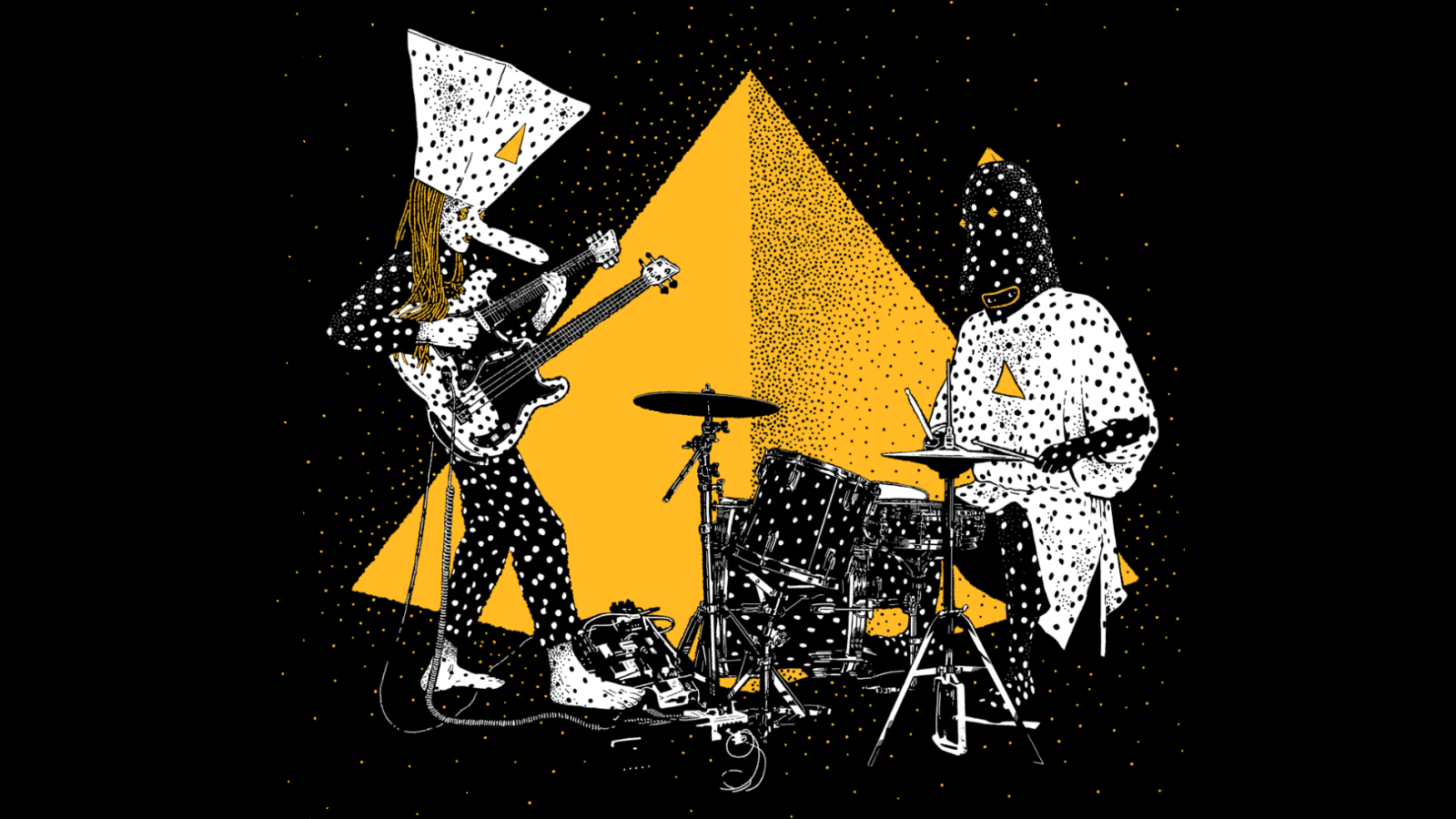
Anonymous “Saguenay, Quebec” rock duo Angine de Poitrine have experienced a windfall with their costumed microtonal project. Back in April, “Montreal” writer Erin MacLeod dug into the Quebecois context for the act in her Substack, and in an unprecedented move, we reached out to Erin to republish the piece here. In addition to being an educator, Erin has written about music for outlets such as the Guardian, NPR, Pitchfork, and Rolling Stone among others, and we’re honoured to have her byline at New Feeling now as well. Part of our publishing strategy has always involved bringing new people into the fold, republishing pieces from newsletters that deserve a wider audience fits nicely within that approach as we strive to make room for criticism that doesn’t fit neatly within the established media ecosystem.
With issue 25, we quietly launched a short series loosely organized under the umbrella theme of the four classical elements. Where “Tectonics” was our “earth” issue, “Slipstream” is our “air” issue, and as such, we’ve decided to use the opportunity to highlight musicians who work primarily with aerophones.
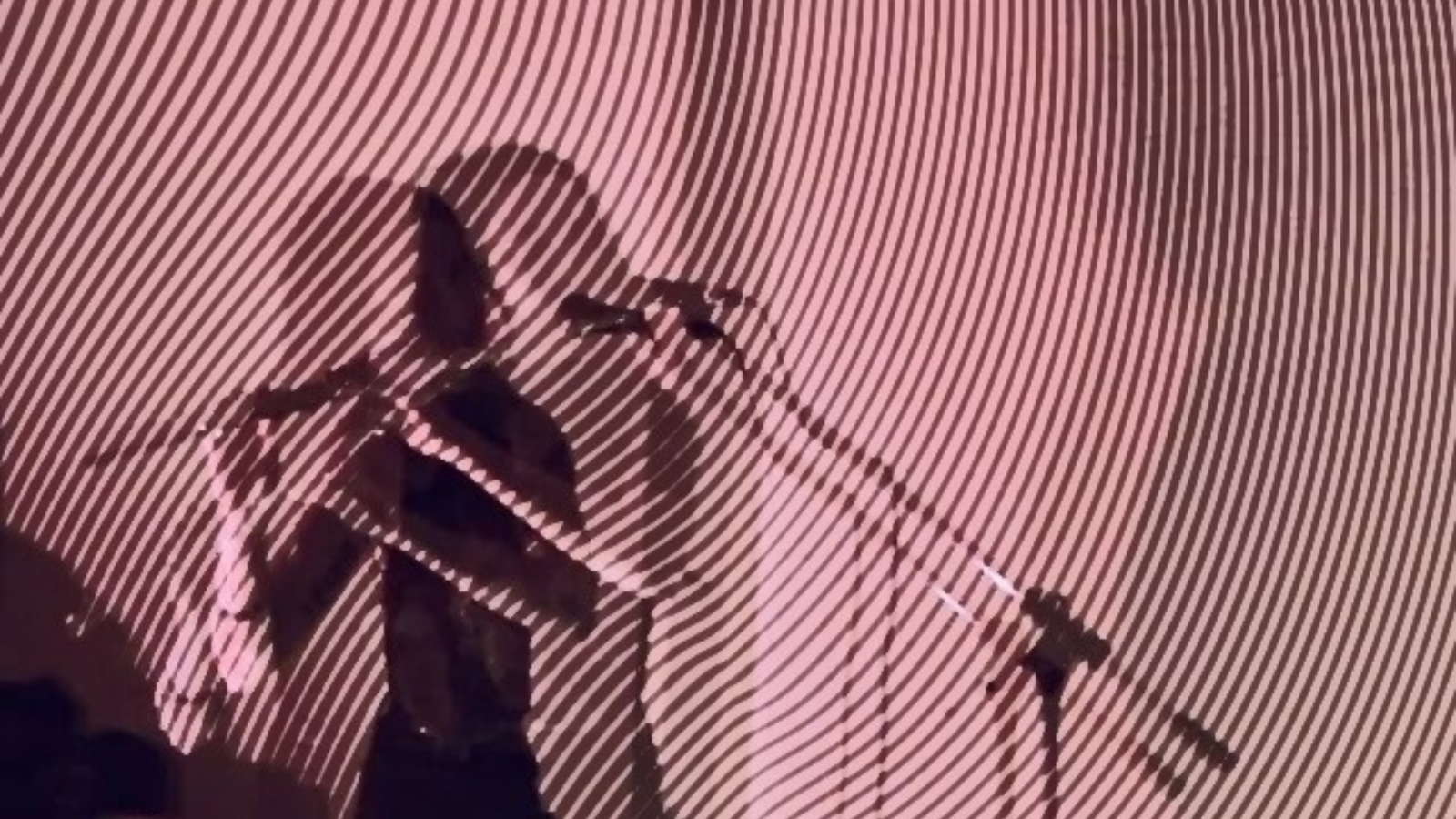
Bespoke Devotional: Amarior invokes vengeance and forgiveness in radiant noise
Graham Latham
Graham Latham profiles Amarior, the flute-based solo drone project of mononymous “Montreal” by way of “Calgary” musician Jack. Jack also fronts queer anarchist power violence trio Jetsam and presents shows under the Milieu Therapy banner. They previously made music as Alekto, but the Amarior project was born when Jack participated in Demo Fest 2020, which saw over 200 DIY projects release self-recorded demos as a benefit for migrant justice coalition Solidarity Across Borders.
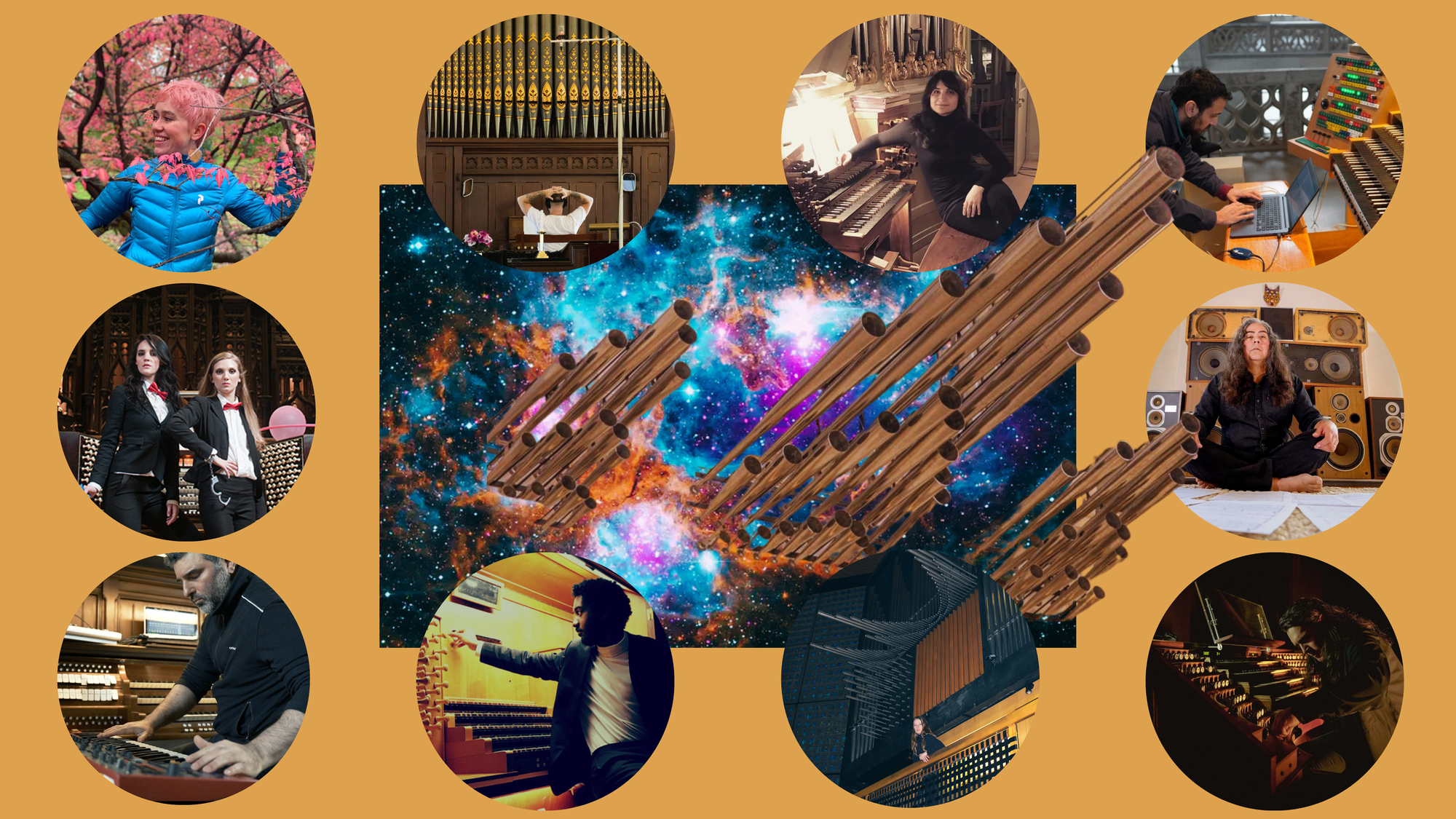
Finally, in “Pipe Dreams,” I write about “Canadian” artists reimagining the pipe organ. While the instrument has traditionally been reserved for religious contexts, the 10 projects surveyed here approach the instrument as a site for secular sonic innovation, technological wonder, and a vehicle for communal imagining.
As tech, capital, and omnipresent empire seeks to foreclose resistance by permeating the very air we breath, persistence is key, and we hope this issue serves as a reminder of some of the myriad paths available to us to reorganize from the ground up.
Can you feel it coming in the air tonight?
— Tom Beedham
Editorial: Daniel G. Wilson, Tabassum Siddiqui (public editor), Michael Rancic, Rebecca Judd, Leslie Ken Chu, Sarah Chodos, Tom Beedham (features editor)
Community: Daniel G. Wilson, Michael Rancic, Rosie Long Decter (lead), Rebecca Judd
Care: Tabassum Siddiqui (Public Editor), Sarah Chodos (lead), Tom Beedham
Organization: Michael Rancic, Leslie Ken Chu, Tom Beedham
Web: Laura Stanley (lead), Michael Rancic, Leslie Ken Chu