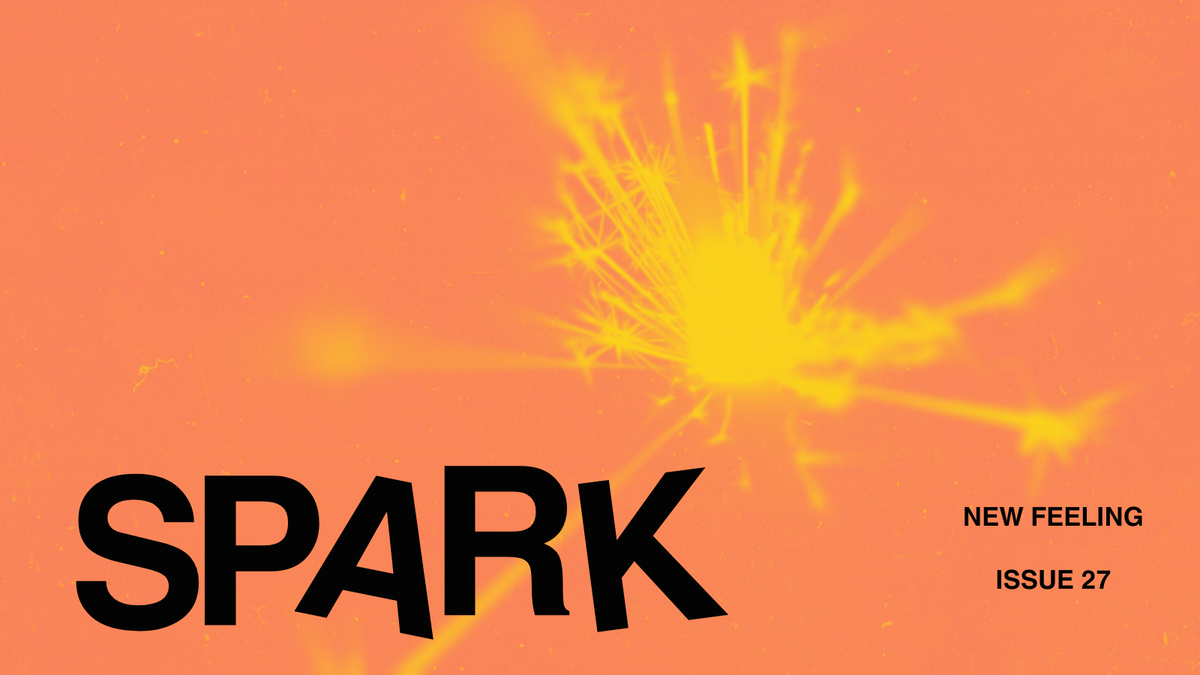
ISSUE 27: SPARK
In this issue, we look at the conditions that allow creative expression to take hold, the networks that sustain it, and what happens when those conditions are threatened.
Sensational but brief negotiations between matter and energy, sparks contain unparalleled capacity for material transformation.
In this issue, we look at the conditions that allow creative expression to take hold, the networks that sustain it, and what happens when those conditions are threatened. From artists finding new freedom through improvisation to musicians building scenes far from established cultural centres, we trace the ways individual impulses can foment collective forces — and the precarious infrastructures on which they depend.
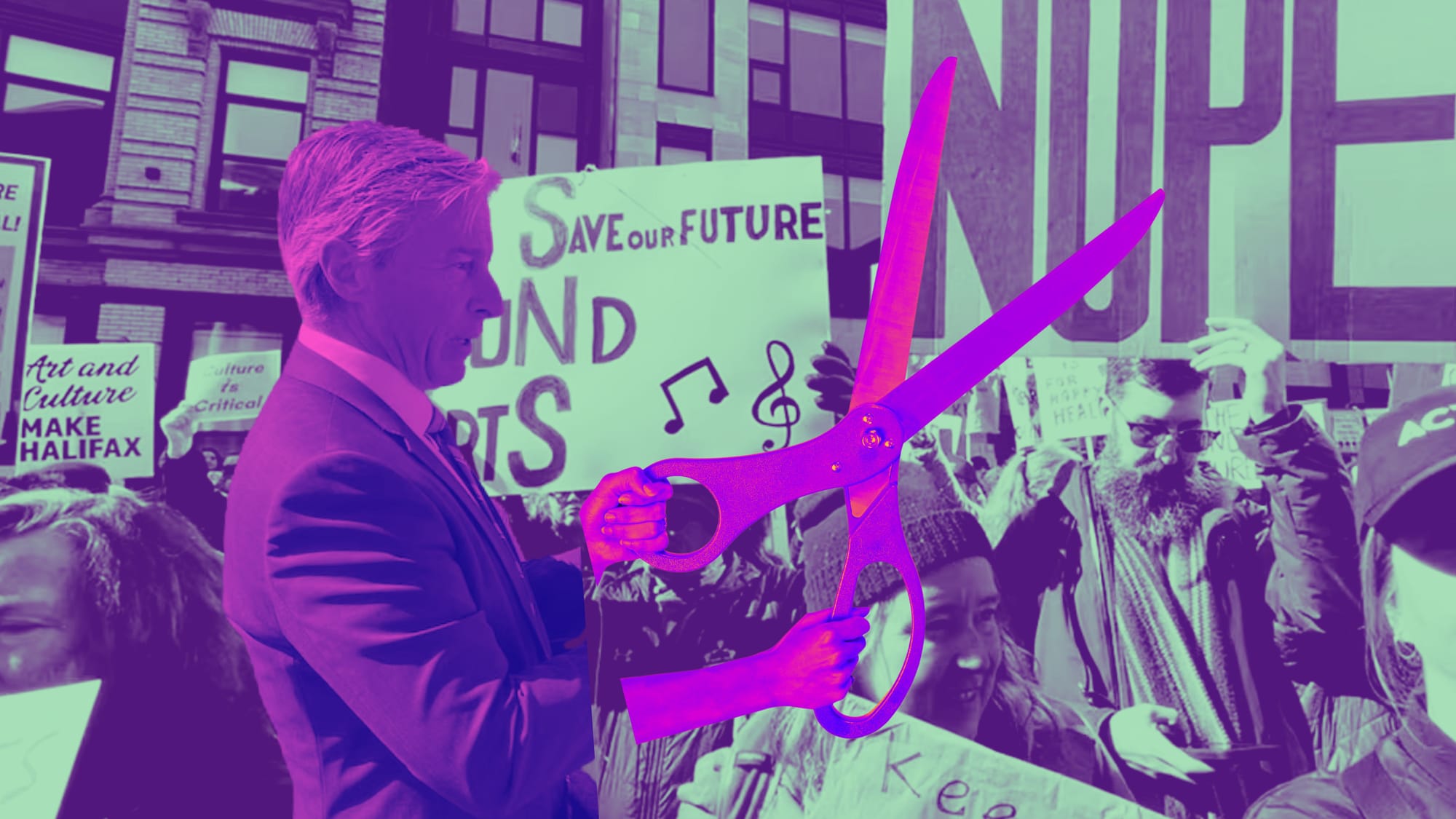
In Nova Scotia, where proposed provincial funding cuts have galvanized thousands of artists and arts workers into action, that precarity is especially acute. Leslie Ken Chu reports on what’s at stake for the province’s rural music communities, where grassroots organizers and independent artists have spent years cultivating audiences, venues, and networks that public investment can help sustain. Even if the music continues without that support, the question remains: who gets to keep making it, under what conditions, and for how long?
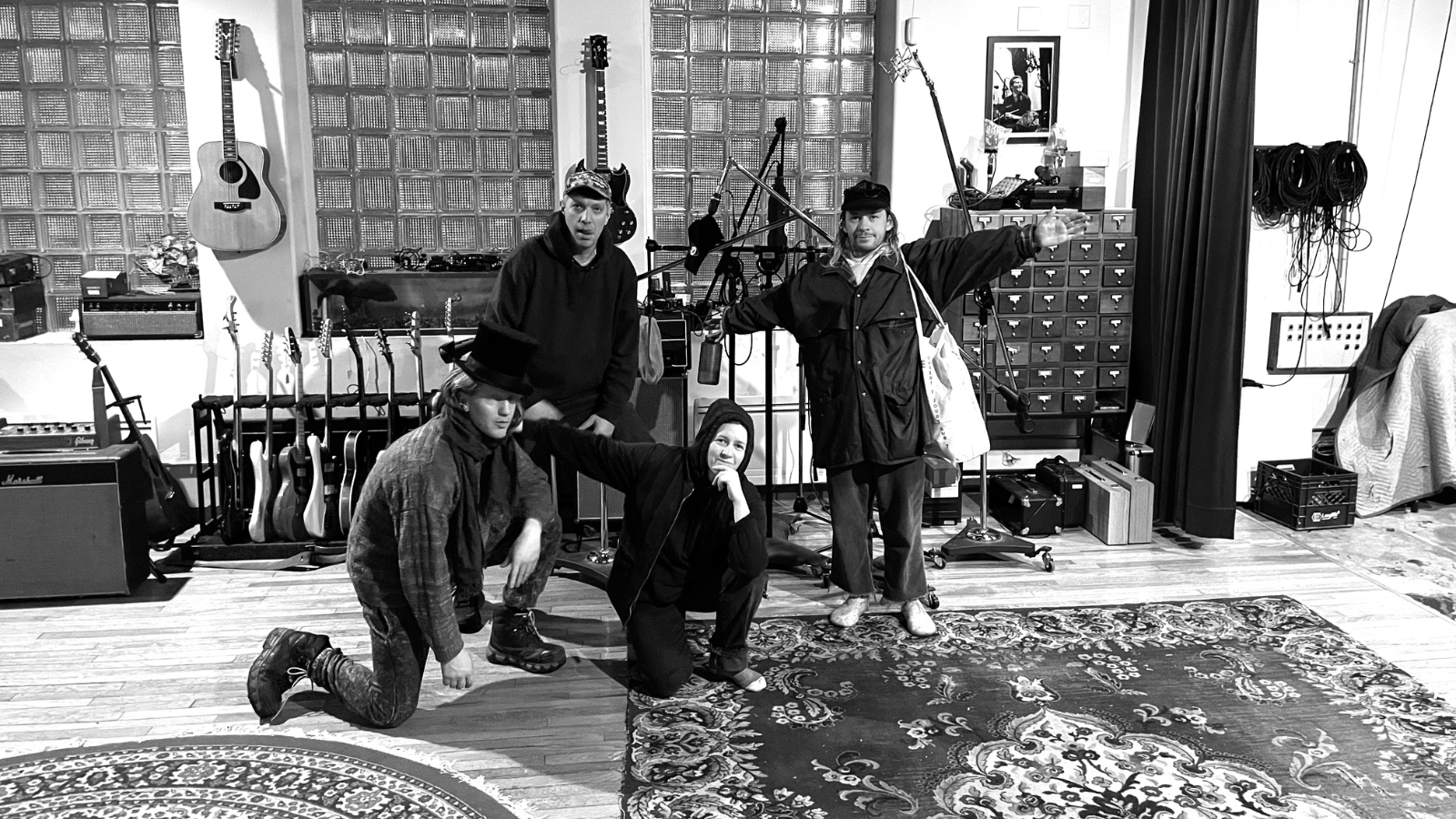
Now residing in Sackville, New Brunswick after living in Toronto for 38 years, Simone Schmidt has spent nearly every weekend since 2023 commuting two hours into Nova Scotia to play music with drummer Nathan Doucet and bassist Jeremy Costello. Connecting with Schmidt to discuss their latest album under the Fiver banner, Michael Rancic writes about the structural architecture that produced Fiver Trois presents Cleaning House. After years acutely registering the financial gamification of life and creative output, Schmidt overcame songwriter’s block through the psychic decluttering of marathon improvised sessions.

From one firebrand to another, elsewhere, Daniel G. Wilson profiles Victoria, BC punk veteran John Wright, whose half-century musical journey offers a portrait of creative restlessness in perpetual motion. Best known as the drummer and co-founder of Nomeansno, the pioneering band he formed with his older brother Rob, Wright has spent much of his life pushing against the boundaries of punk through unlikely combinations of jazz, experimental music, absurdist humour, and communal exuberance. Now, with Wright’s second album under the Dead Bob moniker, Nothing Changes Everything, he steps further into the role of bandleader, transforming a solo project born from revisiting old demos into a five-piece collective with a sound of its own.
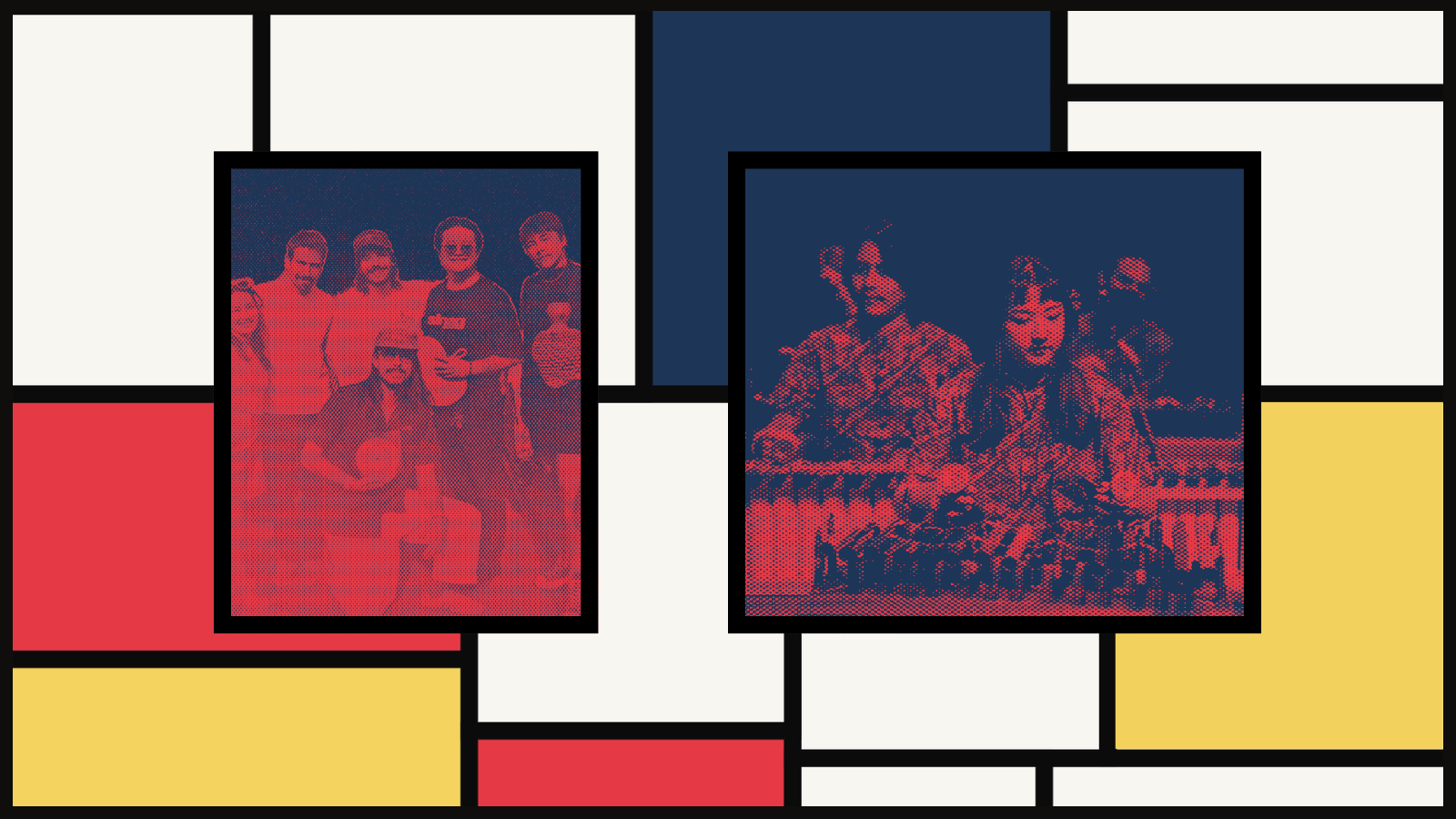
Daniel has been on a particularly prolific streak of late. Ahead of our Venus Fest co-presentation at Toronto’s Allan Gardens, he connected with Husna Farooqui for a Q&A about her experimental sound project Esssena, and in his second contribution to this issue, he pens an essay on the myriad ways percussion practices the world over transcend state and language barriers, from the ceremonial rhythms of Jamaica to Brazilian maracatu and Indonesian gamelan. Speaking with members of Vancouver’s Gamelan Bike Bike and Toronto’s Orbital Ensemble along the way, he emerges with a portrait of rhythm as a unifying pulse that carries memories across diasporas and ignites new musical possibilities wherever it is heard.

Borrowing boom-bap from across the Atlantic and giving it a hazy, heliocentric treatment on their early records, Boards of Canada have been plumbing the eerie possibilities widely relegated to childhood memories for four decades. With the unexpected arrival of Inferno, the Scottish duo’s first album in 13 years, I trace the transatlantic exchange the brothers have been engaged in since their formative two-year stay in Calgary and examine how it’s shaped their mythology ever since. As the public institutions and ecological conditions that once nourished their vision come under threat, Inferno casts that mythology in a new light. From the National Film Board’s experimental filmmaking to the colonial contradictions obscured by Canada’s self-image as a progressive alternative to the United States, I examine the distance between the country Boards of Canada imagines and the one contained within its state boundaries.

Elsewhere, Tia Julien turns to Toronto-based, Iranian-born experimental artist Kimia Farokhzad, whose performances weave together vocal improvisation, Persian poetry, theatre, and movement. After years of singing in private, Kimia’s first public performance in Iran was secretly filmed, leading to police intervention and the closure of the venue — a flashpoint that prompted her to consider immigration. In Toronto, she found room to push her practice into new territory, embracing improvisation as a means of creative release and drawing on grief, memory, and political violence to shape her work. Speaking to the fragile alchemy between performer and audience, she considers how art can give feeling a place to go, how one person’s expression can kindle recognition in another, and how the impulse to create can persist even when the conditions around it threaten to snuff it out.
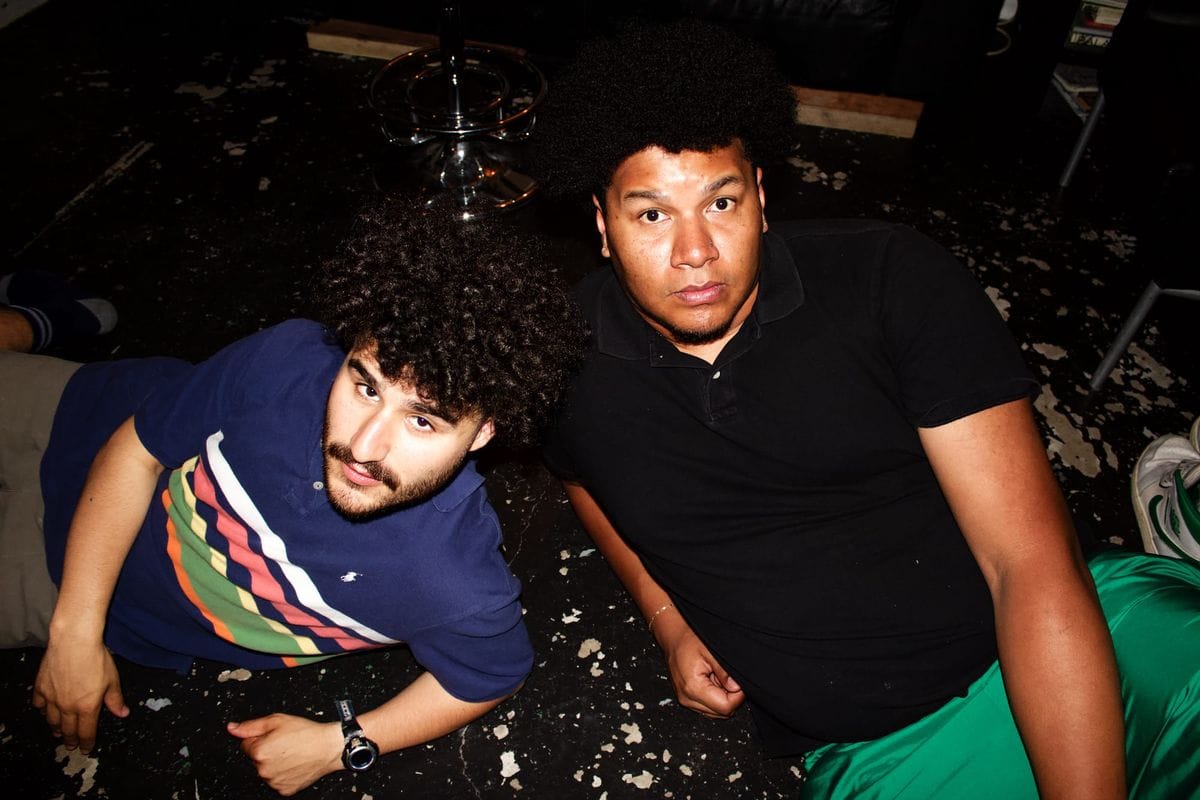
Rounding out the issue, Richie Assaly speaks with Julian “Fatsound” Clarke and Ephram Markovitch, the creative braintrust behind Polo Lewis. An animated avatar in the tradition of Gorillaz or Major Lazer, Polo Lewis gives shape to the duo’s reflections on the precariousness, exhilaration, and quiet absurdities of trying to make it as a young artist in the big city. Born out of pandemic-era street performances in Kensington Market, their propulsive pop collides drum and bass, hyperpop textures, and disarmingly sincere hooks into a sound that resists easy categorization. On their debut EP, Who Is Polo Lewis?, youthful ennui meets flashes of euphoric release, tracing the frustrations of creative ambition without losing sight of the friendships, scenes, or shared experiences that sustain it. In conversation, Clarke and Markovitch reflect on the evolution of their sound, the freedom of inhabiting an animated alter ego, and the Toronto music community that helped bring Polo Lewis to life.
— Tom Beedham
Editorial: Daniel G. Wilson, Tabassum Siddiqui (public editor), Michael Rancic, Rebecca Judd, Leslie Ken Chu, Sarah Chodos, Tom Beedham (features editor)
Community: Daniel G. Wilson, Michael Rancic, Rosie Long Decter (lead), Rebecca Judd
Care: Tabassum Siddiqui (Public Editor), Sarah Chodos (lead), Tom Beedham
Organization: Michael Rancic, Leslie Ken Chu, Tom Beedham
Web: Laura Stanley (lead), Michael Rancic, Leslie Ken Chu